













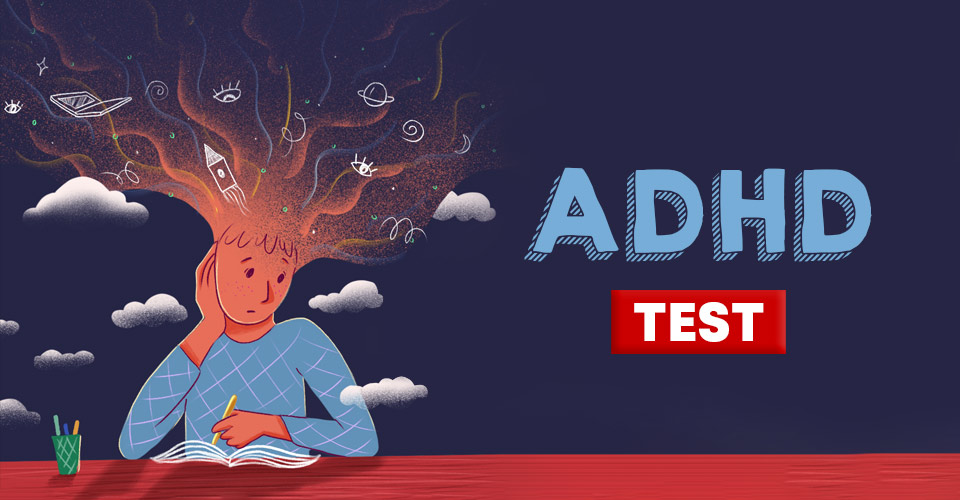
Do you have a child who has difficulty paying attention and is hyperactive?
This ADHD test is a self-assessment, not a diagnostic.
Learn More About ADHD
A common childhood neurodevelopmental disorder, attention-deficit/hyperactivity disorder (ADHD) can persist into adulthood. Inattention and hyperactivity are two of the main symptoms of ADHD.
Children with ADHD tend to be restless and impulsive, lack focus, and move excessively. The symptoms of ADHD are commonly seen in young, school-going children when their hyperactivity and limited attention span cause problems at school. Effective and prompt intervention can help manage ADHD.
We have created a free ADHD test to help you find out if your child has ADHD symptoms.
Instructions For Taking The Online ADHD Test
The following checklist is for parents. The following statements commonly relate to children who have symptoms of ADHD. Choose the option best suited to your child for each of them. Click here for the test.
General Understanding
What is ADHD and how does it affect children and adults differently?
ADHD (Attention-Deficit/Hyperactivity Disorder) is a neurodevelopmental condition that affects attention, impulse control, and emotional regulation. In children, ADHD often shows up as hyperactivity, difficulty following instructions, or restlessness in school. In adults, it may appear as chronic overwhelm, poor time management, emotional sensitivity, or difficulty sustaining focus at work or in relationships.
Is ADHD a lifelong condition or can it disappear with age?
ADHD does not “go away,” but how it shows up often changes with age. Many adults were never diagnosed as children and only realise later in life that their struggles with focus, organisation, or burnout are related to ADHD.
ADHD in Children
What are early signs of ADHD in children?
Common early signs include difficulty paying attention, excessive talking, impulsive behaviour, emotional outbursts, and trouble following routines—especially noticeable in school or structured environments.
At what age can a child be diagnosed with ADHD?
Children can be assessed as early as age 4–6, but diagnosis usually becomes clearer during primary school years when attention demands increase.
Can ADHD in children be mistaken for bad behaviour or poor parenting?
Yes. Many children with ADHD are misunderstood as “lazy,” “naughty,” or “not trying hard enough,” which can affect their self-esteem if not properly supported.
How does ADHD affect a child’s learning in school?
ADHD can impact working memory, attention span, task initiation, and emotional regulation—making traditional classroom learning more challenging without accommodations.
ADHD in Adults (Late Diagnosis)
What are signs of ADHD in adults that are often overlooked?
Common signs include:
Chronic procrastination
Mental exhaustion despite effort
Difficulty starting or finishing tasks
Emotional sensitivity
Overthinking and racing thoughts
Burnout from masking or overcompensating
Why are so many adults only diagnosed with ADHD later in life?
Adult ADHD was historically under-recognised, especially in women and high-functioning individuals. Many adults develop coping strategies that hide symptoms until life demands increase.
Is adult ADHD linked to anxiety or depression?
ADHD itself is not anxiety or depression, but unmanaged ADHD can lead to chronic stress, low self-worth, and emotional exhaustion, which may coexist with these conditions.
Other Questions people often ask:
Can ADHD look like overthinking or emotional sensitivity rather than hyperactivity?
Yes. Many people—especially adults—experience ADHD internally through racing thoughts, emotional overwhelm, and mental fatigue rather than physical hyperactivity.
Why do adults with ADHD feel exhausted even when they don’t do much?
Mental effort, constant self-monitoring, and decision fatigue can drain energy. ADHD brains often work harder to do everyday tasks.
Is ADHD a disorder or a different way of processing information?
Clinically, ADHD is a diagnosis—but many view it as a form of neurodivergence, meaning a different (not defective) way the brain processes attention, creativity, and emotion.
How is ADHD diagnosed in Singapore for children and adults?
In Singapore, ADHD assessments can be done through public hospitals, private clinics, psychologists, or psychiatrists. Adults often seek assessments after work-related burnout or parenting challenges.
Is ADHD recognised in Singapore workplaces and schools?
Awareness is improving, but many adults and children still mask symptoms due to stigma. Some schools and workplaces provide accommodations, but understanding varies.
Where can parents or adults in Singapore seek ADHD support?
Support can include educational psychologists, counsellors, therapists, parent support groups, and neurodivergent-friendly communities.
(Credits: Mind help)
Living With ADHD as an Adult? Here’s What You Should Know.
Since you’re here, why not read:
Top 8 Mindfulness Retreats in Singapore to Help Stressful Working Adults Find Relief