











If you live in Singapore, you already know the pain: healthy eating sounds good in theory, but your wallet says otherwise. With over 90% of food imported, fruit prices fluctuate like the stock market. One week affordable, next week suddenly “premium”.
Here’s the quiet truth most people miss: the healthiest fruits are not always the most expensive ones. In fact, some of the most nutrient-dense fruits in Singapore cost less than kopi—if you know what to buy, where to buy, and why.
This guide breaks down cheap, healthiest fruits you can realistically eat daily without blowing your expenses, while clearing up price confusion, nutrition myths, and time-cost trade-offs Singaporeans face.
Why Cheap Fruits Feel “Unhealthy” (But Aren’t)
Let’s address the elephant in the Supermarket aisle.
1. Heavy Reliance on Imports → Higher Prices
Imported berries, avocados, and cherries travel thousands of kilometers. Fuel, cold storage, and currency exchange inflate prices. Result? “Healthy” fruits feel like luxury items.
2. Cheap ≠ Low Nutrition
Yes, bananas and watermelon are affordable—but they’re also rich in potassium, vitamin C, hydration, and fiber. Nutritional density per dollar matters more than exotic labels.
3. Price Confusion Everywhere
Wet markets vs supermarkets. Thailand vs Australia. Loose vs packaged. Without guidance, shoppers guess—and overspend.
4. Time Is Money
Wet markets are cheaper but less convenient. Supermarkets are fast but pricier. The goal isn’t perfection—it’s smart compromise.
5. Regional Fruits Are Underrated
Malaysia, Thailand, Indonesia supply fresh tropical fruits quickly. Less travel = lower cost = higher freshness.
The Best Cheap & Healthiest Fruits Under $3 (in Singapore)
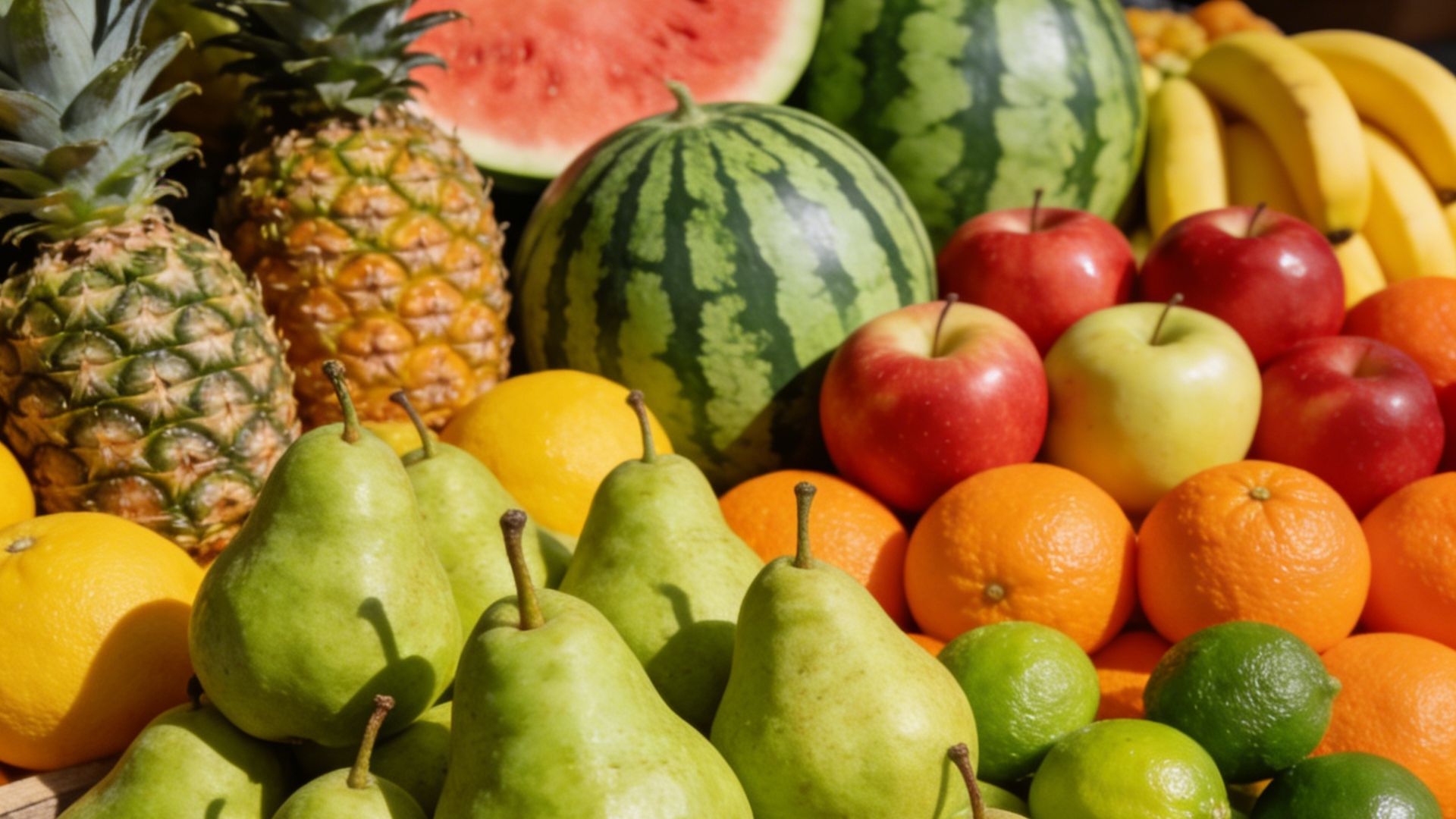
Below are 10 fruits commonly found in Singapore that deliver maximum nutrition per dollar, ideal for daily consumption.
Banana
Naturally sweet, filling, and affordable, bananas provide fast energy, potassium, and fiber—perfect for breakfast, snacks, or post-workout recovery.
Why Buy:
One of the cheapest fruits in Singapore. Supports heart health, digestion, and energy metabolism with minimal prep.
Watermelon
Ultra-hydrating, refreshing, and low-calorie, watermelon delivers vitamin A, C, and lycopene—ideal for hot Singapore weather. Get the ones wrapped and cut pieces for less than $3 at Neighborhood’s fruit stall.
Why Buy:
Cheapest per gram at wet markets. Keeps you full and hydrated while controlling expenses.
Papaya
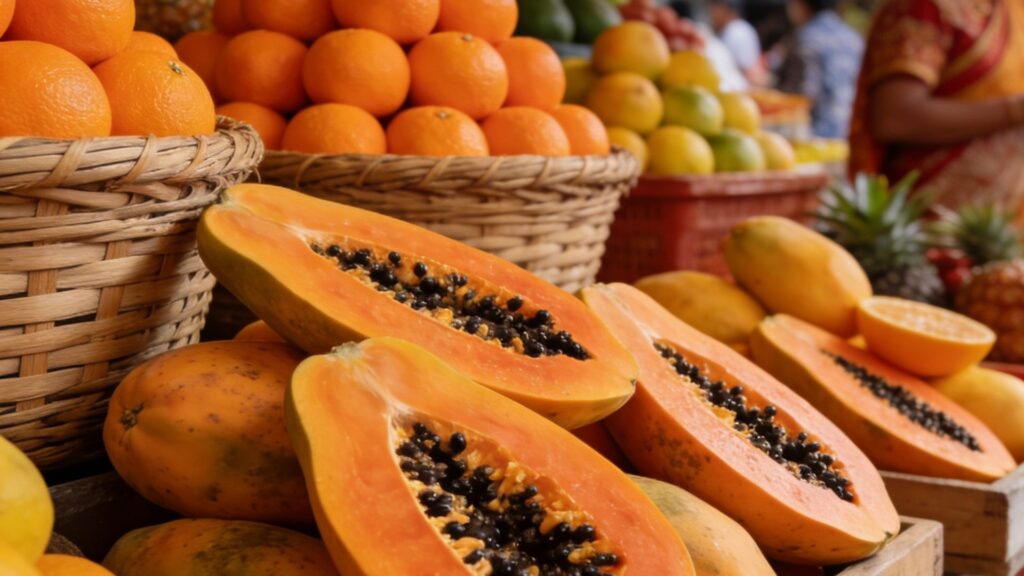
Soft, sweet, and enzyme-rich, papaya boosts digestion, immunity, and skin health with high vitamin A and C content. A quarter papaya is less than $3.
Why Buy:
Locally grown or regionally imported. Nutrient-dense alternative to expensive berries.
Orange (Citrus)
Tangy, juicy citrus fruits deliver immune-boosting vitamin C and antioxidants while supporting skin and heart health. Buy in bulk and save—one orange ends up costing under $3!
Why Buy:
When bought in bulk, oranges remain one of the cheapest immunity-supporting fruits in Singapore.
Apple
Crunchy, portable, and filling, apples provide soluble fiber (pectin) that supports gut health and blood sugar control. Buy Big Fuji Apples in bulk—cheaper, definitely under $3 at your neighborhood fruit stall!
Why Buy:
Slightly pricier but long shelf life reduces food waste and overall expenses.
Guava
Extremely high in vitamin C and fiber, guava strengthens immunity, digestion, and heart health with fewer calories than most fruits. Get the ones wrapped and cut pieces for less than $3 at Neighborhood’s fruit stall.
Why Buy:
One of the healthiest fruits per dollar in Singapore—often cheaper than apples.
Lime
Small but powerful, lime delivers vitamin C and antioxidants, enhancing digestion and nutrient absorption. Shopee is selling for less than $2 here.
Why Buy:
Cheap, versatile, and long-lasting. Add to water for daily health without extra sugar.
Pear
Mildly sweet and juicy, pears are rich in fiber and water, supporting digestion and hydration. One of the most affordable and refreshing fruits? Pear! We even spotted pears on Shopee for just $2!
Why Buy:
Often overlooked and discounted. Excellent gut-friendly fruit for daily rotation.

Pineapple
Tropical, tangy pineapple offers bromelain enzymes, vitamin C, and antioxidants that support digestion and inflammation control. Whole Honey Pineapple from Malaysia – Under $3 only on Shopee! Thai Mini Crystal Pineapples, deskinned and ready-to-eat, cost about $3++ for 4–6 pieces.
Why Buy:
Sold cheaply pre-cut at wet markets; great value for nutrition per dollar.
People are also curious:
Is eating cheap fruits every day enough for good health in Singapore?
Yes—variety matters more than price. Rotating affordable fruits covers most micronutrients.
Which fruit gives the highest vitamin C for the lowest cost?
Guava consistently ranks higher than oranges and costs less per gram.
Are imported fruits healthier than regional fruits?
Not necessarily. Freshness and nutrient density matter more than country of origin.
Can cheap fruits still support weight loss?
Absolutely. Watermelon, guava, and papaya are low-calorie and high-fiber.
Is it cheaper to buy fruits daily or weekly in Singapore?
Weekly bulk purchases from wet markets usually reduce overall expenses.
Where can I find the cheapest fruits in Singapore?
Wet markets like Tekka, Geylang, and Chinatown consistently offer better prices.
Are supermarket fruits less healthy?
No, but they’re often pricier due to packaging, branding, and convenience.
Which fruits should students buy on a tight budget?
Bananas, watermelon, papaya, and oranges offer the best value.
Do organic fruits justify higher prices?
For daily consumption, conventional fruits still provide excellent nutrition.
Smart Tips for Maximum Health on a Budget
Buy seasonal fruits—prices drop naturally
Mix 2–3 fruits daily for broader nutrients
Freeze overripe fruit to reduce waste
Track nutrition per dollar, not trends
Healthy Doesn’t Have to Be Expensive
In Singapore, eating healthy isn’t about chasing imported superfoods—it’s about understanding value. When you choose cheap, healthiest fruits strategically, you reduce expenses, improve nutrition, and eliminate daily food stress.
Bananas and watermelon anchor affordability. Papaya and guava deliver nutrient density. Apples and citrus add convenience. Rotate smartly, shop intentionally, and your health—and wallet—both win.
Looking for Latest Deals and Happenings? Join @sgsave on Telegram now!