













Choosing a credit card in Singapore can be confusing. With so many options offering cashback, air miles, reward points and shopping privileges, how do you know which one is right for you?
The answer depends on how you spend your money.
If you spend mostly on groceries and dining, a cashback card may help you save on everyday expenses. If you shop online frequently, a rewards card may offer better value. And if you travel regularly, a miles card could make your everyday spending more rewarding.
Rather than choosing a credit card simply because it offers the highest advertised cashback rate or the most reward points, it is more useful to understand your spending habits first.
In this guide, we explore credit cards for different usage in Singapore, including options for everyday spending, groceries, dining, online shopping, travel and low spenders. We will also explain the key factors to compare before applying, so you can choose a card that fits your lifestyle and budget.
1. How to Choose a Credit Card Based on Your Spending Habits
Before applying for a new credit card, start by reviewing where your money goes each month.
Do you spend more on groceries, dining out, online shopping, transport or travel? Or do you prefer a simple cashback card that rewards your everyday purchases without requiring you to track different spending categories?
Your answers will help narrow down your options.
| Your spending habits | Credit cards to consider |
|---|---|
| Everyday purchases | Standard Chartered Simply Cash, HSBC Advance |
| Groceries and dining | OCBC 365, UOB One, Citi Cash Back |
| Online shopping | Citi Rewards, HSBC Revolution, OCBC Rewards |
| Travel and air miles | HSBC TravelOne, OCBC 90°N, DBS Altitude, UOB PRVI Miles, Standard Chartered Journey |
| Online and contactless spending | HSBC Revolution, UOB EVOL |
| Category-based cashback | CIMB Visa Signature, OCBC 365, UOB One |
| Shopping and flexible rewards | OCBC Rewards, Citi Rewards |
| Simple cashback with fewer conditions | Standard Chartered Simply Cash |
These cards are examples to help you build a shortlist, not a definitive ranking. Their benefits, eligibility requirements and exclusions differ, so always check the latest terms on the issuing bank’s website.
2. Credit Cards for Everyday Spending
If your monthly expenses are spread across groceries, transport, shopping and dining, an everyday cashback card may be a practical starting point.
The main advantage is simplicity. Instead of managing different reward categories, you can focus on earning cashback from eligible purchases.
Standard Chartered Simply Cash
Standard Chartered Simply Cash advertises 1.5% cashback on eligible spending, with no minimum spend and no cashback cap under its published product terms.
This may suit people who want a straightforward cashback structure without having to meet a high monthly spending target.
However, check the current exclusions and annual fee conditions to understand which transactions qualify.
HSBC Advance Credit Card
HSBC Advance offers tiered cashback based on eligible monthly spending. Its published structure includes 1.5% cashback without a minimum spend and 2.5% when monthly spending exceeds S$2,000, subject to the applicable terms and cashback cap.
This may be worth considering if your monthly expenses are relatively high and you prefer cashback over points or miles.
Who should consider an everyday cashback card?
Choose this type of card if you want rewards from your usual purchases without having to optimise every transaction. It can be especially useful if you value convenience more than maximising every possible reward.

3. Credit Cards for Groceries and Dining
Groceries and dining are regular expenses for many Singaporeans. If these categories account for a significant portion of your budget, a specialised cashback card may offer better value than a general spending card.
OCBC 365 Credit Card
OCBC 365 is designed around everyday expenses, including eligible groceries, dining, transport and petrol spending.
OCBC has announced changes effective 1 November 2026, including 6% cashback on eligible spending in selected everyday categories when the S$800 monthly minimum spend is met, with a revised monthly cashback cap of S$160.
If you are considering this card, check the updated terms and eligible categories before applying, particularly if you are applying before the changes take effect.
UOB One Card
UOB One uses a qualifying-spend structure, with cashback linked to eligible spending tiers and transaction requirements. Its published benefits also cover selected merchants and categories, including certain grocery, transport and retail transactions.
This card may suit someone whose regular monthly spending can consistently meet the qualifying conditions.
However, if your spending fluctuates considerably from month to month, make sure you understand how the minimum spend and cashback structure work.
Citi Cash Back Card
Citi Cash Back is another option for people who spend on groceries, dining, petrol and private transport.
Its published offer includes up to 8% total cashback on eligible categories, subject to a minimum S$800 statement-month spend and an S$80 monthly cashback cap.
If you normally spend less than the qualifying amount, calculate whether the card would still provide meaningful value.
What should you compare?
Do not look at the cashback percentage alone. Check the minimum spend, qualifying merchant categories, cashback cap and exclusions. The best card is the one that rewards the groceries and meals you actually purchase.
4. Credit Cards for Online Shopping
If you frequently shop on e-commerce platforms, order food online or make eligible digital purchases, consider a card that offers bonus rewards on online transactions.
Citi Rewards Card
Citi Rewards advertises 10X points on eligible online purchases and selected in-store shopping transactions.
It may be suitable for people who regularly shop in qualifying categories and are comfortable redeeming reward points.
However, not every online transaction necessarily qualifies for bonus points. Check the bank’s exclusions and eligible transaction definitions.
HSBC Revolution Credit Card
HSBC Revolution offers accelerated rewards on eligible online and contactless spending, including selected shopping, dining, travel and ride-hailing transactions.
This may suit people whose spending is concentrated in qualifying digital and contactless payment categories.
Before applying, compare its reward structure with your actual purchases rather than assuming all app-based or online payments will earn bonus points.
OCBC Rewards Card
OCBC Rewards is designed for eligible shopping transactions and selected retail categories. Cardholders can earn OCBC$ and redeem them through the bank’s available rewards options.
If you frequently shop at qualifying retailers, this may be worth comparing with other shopping rewards cards.
Is a shopping rewards card right for you?
It may be worthwhile if you regularly spend in eligible categories and are willing to manage points redemption. If your purchases are spread across many unrelated categories, a general cashback card may be easier to use.
5. Credit Cards for Travel and Air Miles
If you travel frequently, a miles card may help you accumulate rewards through everyday purchases and overseas spending.
Unlike cashback, however, miles do not have a fixed cash value. Their usefulness depends on the airline programmes available, redemption availability and how you choose to use them.
HSBC TravelOne Credit Card
HSBC TravelOne is a travel-focused rewards card for people interested in accumulating points and redeeming them for travel rewards.
Compare its miles conversion arrangements, participating airline and hotel partners, annual fee and redemption conditions before applying.
OCBC 90°N Card
OCBC 90°N is designed for travel rewards and offers different earning rates for eligible local and foreign-currency spending.
OCBC’s published rates include 1.3 miles per S$1 on local spending and 2.1 miles per S$1 on foreign-currency spending. Its 90°N Miles do not expire under the published programme terms.
If you frequently travel overseas, compare these rates with the card’s annual fee and foreign-currency transaction costs.
DBS Altitude Visa Signature
DBS Altitude is another option for people who want to earn air miles from eligible purchases.
Before applying, review the latest local and overseas earn rates, annual fee, miles conversion fees and redemption requirements.
UOB PRVI Miles
UOB PRVI Miles is designed for people who want to accumulate air miles through eligible spending. The card is available in different payment-network versions, so check the relevant terms for the version you intend to apply for.
Compare its earning rates, travel benefits, fees and miles conversion arrangements with other travel cards.
Standard Chartered Journey Credit Card
Standard Chartered Journey is another travel-oriented option to consider if you want to earn travel rewards.
Check the current earning rates, eligible transactions, annual fee and redemption conditions before deciding whether it suits your travel habits.
Should you choose cashback or miles?
Cashback is generally more straightforward because the reward has a direct monetary value. Miles may provide more value for frequent travellers who understand how to redeem them effectively.
If you rarely travel, a miles card may not be the most practical choice simply because it sounds more premium.

6. Credit Cards for Low Spenders
If you spend relatively little each month, you do not necessarily need a specialised rewards card.
For example, if your monthly expenses total S$600, a card requiring S$800 or S$1,000 in qualifying spending may not be suitable.
Instead, look for a card that offers rewards on eligible spending without a high minimum spend.
When comparing options, consider:
- Whether there is a minimum monthly spend.
- Whether cashback is earned from the first dollar.
- Whether rewards are subject to monthly caps.
- Whether the annual fee can be waived.
- Whether the reward structure is easy to understand.
For low spenders, simplicity can be more valuable than a high headline cashback rate.
There is little benefit in earning a higher reward percentage if you need to spend more than your budget allows to qualify.
7. Credit Cards for Overseas Spending
If you frequently travel or make purchases in foreign currencies, look beyond the advertised miles or cashback rate.
Foreign-currency transactions may incur additional fees, and these costs can reduce the value of your rewards.
When comparing cards such as OCBC 90°N, UOB PRVI Miles, UOB EVOL and other travel-oriented options, check:
- The earning rate on foreign-currency transactions.
- Foreign-currency transaction fees.
- Whether online overseas purchases qualify.
- Any minimum spending requirements.
- The value and flexibility of the rewards.
A card with a higher overseas earning rate is not automatically the cheapest option. Compare the rewards earned against the fees incurred.
8. Other Credit Cards Worth Considering
Besides the categories above, your screenshots include several other cards that may suit particular preferences.
| Card | What to investigate |
|---|---|
| UOB Lady’s Card | Eligible bonus categories and rewards |
| UOB EVOL | Online, contactless and overseas spending |
| UOB Absolute Cashback | Cashback rate and eligible transactions |
| CIMB Visa Signature | Category-based cashback and qualifying spend |
| CIMB Visa Infinite | Travel benefits and current cashback terms |
| CIMB World Mastercard | Eligible categories and rewards |
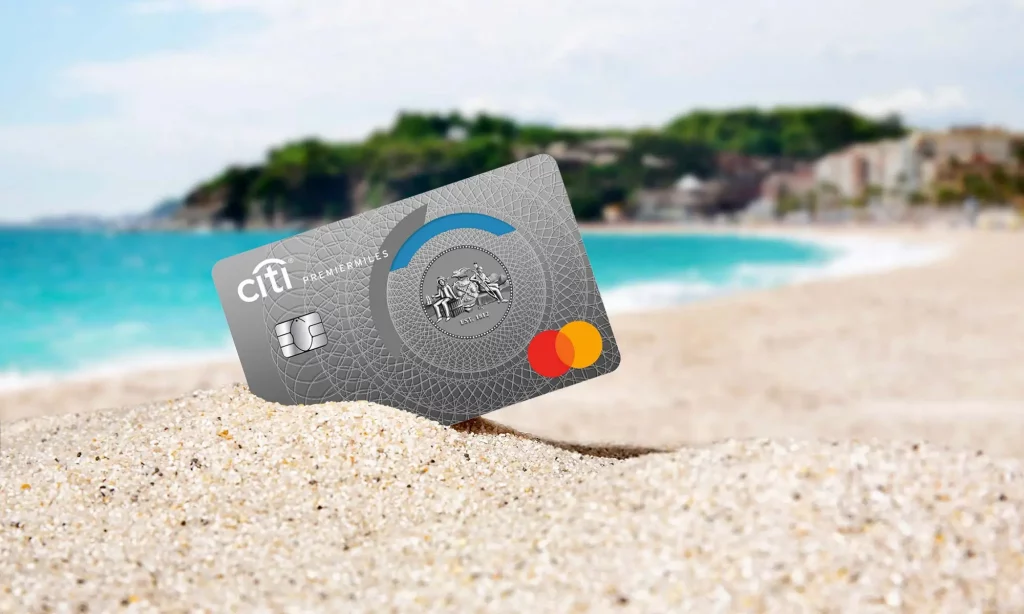
| Citi PremierMiles | Miles earning and redemption |
| DBS Altitude Visa Signature | Travel rewards and conversion fees |
These cards should be compared based on your actual spending rather than their premium positioning, brand name or advertised rewards.
9. What Does 10X Credit Card Points Really Mean?
A credit card advertising 10X points is not necessarily offering 10% cashback.
Points are a rewards unit. Their value depends on the earning structure and how you redeem them.
For example, Citi Rewards advertises 10X points on eligible shopping transactions. You still need to check the points-to-miles conversion rate, available redemption options, fees and exclusions to understand the actual value.
When comparing points cards, check:
- How many points you earn per dollar.
- Which transactions qualify for bonus points.
- How points can be redeemed.
- Whether points expire.
- Whether redemption or transfer fees apply.
- Whether monthly or quarterly caps apply.
The more useful comparison is the effective value of the reward, not simply the number of points advertised.
10. Why Didn’t My Credit Card Earn Cashback or Bonus Points?
You may have paid for a meal or made an online purchase expecting bonus rewards, only to find that the transaction did not qualify.
One possible reason is the Merchant Category Code, or MCC.
An MCC classifies a merchant according to its business type. Banks may use it to determine whether a transaction qualifies for specific rewards.
Other reasons include:
- Not meeting the minimum spending requirement.
- Reaching the monthly cashback or points cap.
- Making a transaction excluded under the card’s terms.
- Using a payment method that does not qualify.
- Having the transaction processed under a different merchant category.
For example, a purchase made through a third-party payment platform may not be treated the same way as a direct payment to a merchant.
Always review the card’s eligibility rules before assuming that a transaction will earn bonus rewards.
11. Are Credit Cards With Annual Fees Worth It?
A card with an annual fee may still be worthwhile if the benefits you actually use exceed the cost.
Suppose a card charges S$200 annually but gives you S$250 worth of rewards and benefits that you genuinely value. It could be worthwhile.
However, if the benefits are difficult to redeem or do not match your lifestyle, the annual fee may outweigh the rewards.
Before applying, compare the annual fee, fee-waiver conditions, rewards earned, redemption fees and any travel or lifestyle benefits you expect to use.
Also remember that sign-up gifts are usually subject to separate promotional conditions and should not be treated as recurring annual benefits.
12. How to Choose the Right Credit Card for Your Spending Habits
Still unsure which credit card to choose? Use this simple decision guide.
If you want straightforward savings: Compare general cashback cards such as Standard Chartered Simply Cash and HSBC Advance.
If you spend heavily on groceries and dining: Look into OCBC 365, UOB One and Citi Cash Back.
If you shop online frequently: Compare Citi Rewards, HSBC Revolution and OCBC Rewards.
If you travel regularly: Evaluate HSBC TravelOne, OCBC 90°N, DBS Altitude, UOB PRVI Miles and Standard Chartered Journey.
If you spend relatively little: Prioritise cards with manageable minimum spending requirements and simple rewards.
If you dislike tracking reward conditions: Choose a card with a straightforward earning structure and clear exclusions.
If you already have several credit cards: Review your existing spending and rewards before applying for another card.
The goal is to find a card that fits your existing lifestyle, not to change your spending habits just to maximise rewards.
Frequently Asked Questions
What is the best credit card for different spending habits in Singapore?
The right card depends on your spending. Everyday cashback cards may suit general purchases, shopping rewards cards may benefit online shoppers, and miles cards may appeal to frequent travellers.
Which credit card is best for everyday spending?
Consider a general cashback card with clear earning rules and manageable fees. Compare the reward rate, exclusions and minimum spending conditions before applying.
Which credit card is best for groceries and dining?
OCBC 365, UOB One and Citi Cash Back are options to investigate. Their category eligibility, qualifying spending and cashback caps differ.
Which credit card is best for online shopping?
Citi Rewards, HSBC Revolution and OCBC Rewards are worth comparing if your purchases fall within their qualifying categories.
Is cashback better than miles?
Cashback is easier to understand and provides a more predictable monetary benefit. Miles may offer attractive travel value if you redeem them effectively.
Can I have more than one credit card?
Yes, subject to the bank’s eligibility criteria and applicable credit limits. Multiple cards can help you earn rewards across different spending categories, but they also make fees, payment dates and reward conditions more complicated to manage.
Should I choose a card based on its sign-up promotion?
Not on its own. Check the qualifying spend, application eligibility, promotion period and annual fee. Only pursue the promotion if the card suits your spending and you can meet the requirements without unnecessary purchases.
Conclusion: Choose a Credit Card That Works for Your Lifestyle
When comparing credit cards for different usage in Singapore, the most important factor is how well the card matches your spending habits.
A cashback card may be ideal for someone who values simplicity. A shopping rewards card may suit someone who spends frequently online, while a miles card may appeal to a regular traveller.
Before applying, review your monthly expenses, compare the qualifying categories and check the minimum spend, reward caps, annual fees and exclusions.
Most importantly, do not spend more just to earn rewards.
The right credit card is not the one that promises the biggest reward. It is the one that gives you meaningful value from the money you would have spent anyway.