












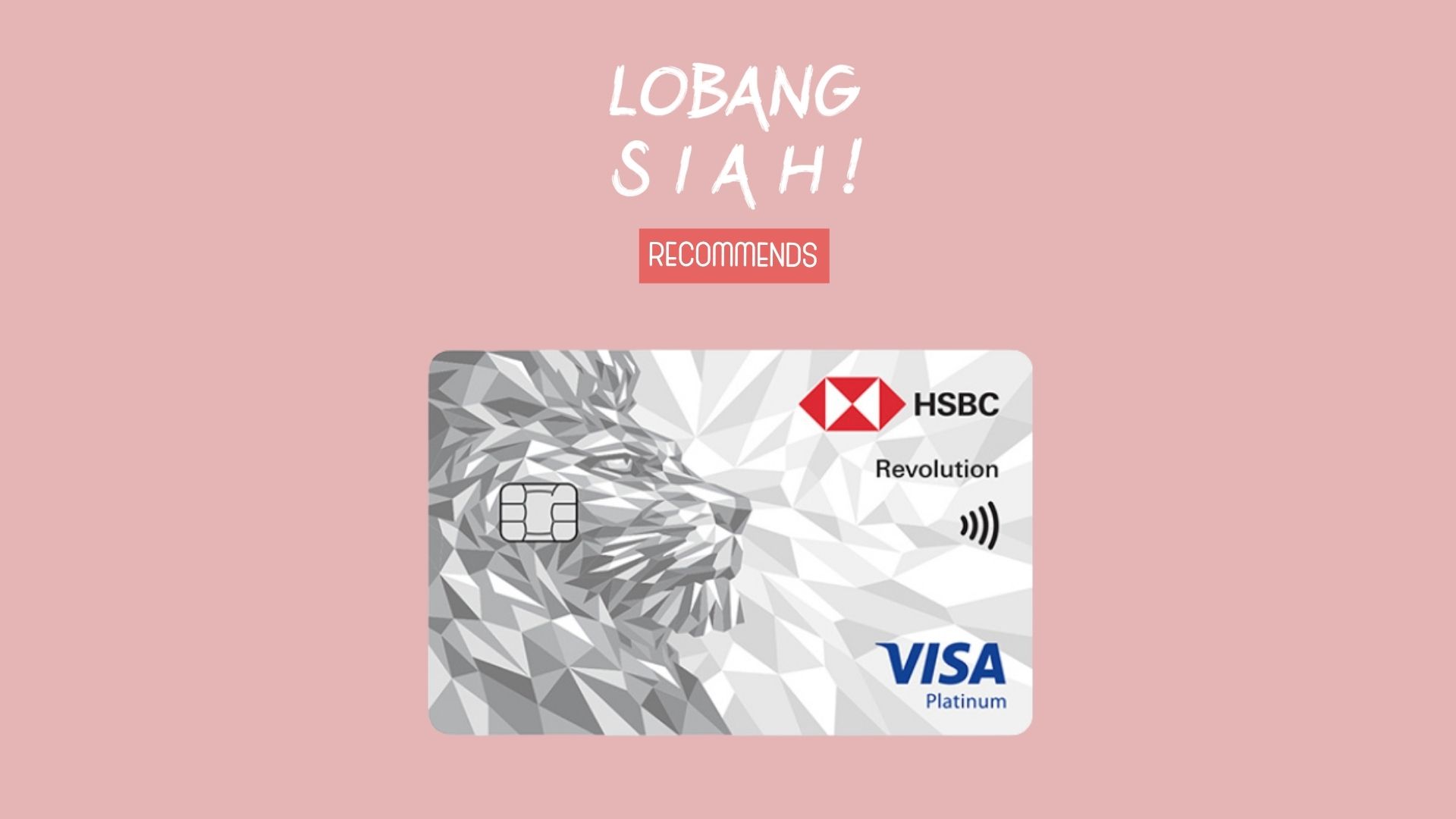
If you’ve been searching for a HSBC Revolution Card review in Singapore, wondering whether the HSBC Revolution credit card is still worth getting in 2026, or trying to figure out how to maximise 4 miles per dollar on everyday spending, you’re not alone.
The HSBC Revolution Card has gone through a few ups and downs over the past couple of years, especially after the changes and “nerfs” that frustrated many miles collectors in Singapore. But in 2026, the card has made a notable comeback. It now offers a more attractive mix of 4 miles per dollar on selected online, contactless, and travel-related spend, no annual fee, waived transfer fees, and even a pathway to 8 miles per dollar for selected HSBC customers.
So, is it actually worth applying for the HSBC Revolution Card Singapore in 2026? Who is it best for? What are the hidden catches, spending caps, exclusions, and real-life use cases you should know before putting it in your wallet?
In this guide, we’ll break down what the HSBC Revolution Card is, how it works, who it suits, what to watch out for, and how to optimise it smartly in Singapore—without the jargon overload. Whether you’re a beginner looking for a no-fee miles card or a seasoned miles chaser comparing it with your current setup, this review will help you decide if it deserves a place in your card strategy.
HSBC Revolution Card Review: Quick Overview
The HSBC Revolution credit card is a miles-focused rewards card in Singapore that earns:
- 4 miles per dollar (mpd) on selected online, contactless, dining, travel-related, transport, and shopping transactions
- 0.4 mpd on all other eligible spending
- Up to 8 mpd for cardholders who also meet the HSBC Everyday Global Account (EGA) balance requirements
- No annual fee
- Waived points transfer fee
- Points pooling with other eligible HSBC rewards cards
For many people, the biggest appeal is simple: it gives you a way to earn high miles on everyday local spending in Singapore without paying an annual fee.
What Is the HSBC Revolution Card Best For?
The HSBC Revolution Card is best for people who spend regularly in categories like:
- Online shopping
- Contactless in-store payments
- Dining
- Transport and ride-hailing
- Flights and hotel bookings made directly with airlines or hotels
- Lifestyle spending such as retail, apparel, electronics, and department store-type purchases
In other words, if your spending pattern looks like “tap to pay, buy online, eat out, book flights, take Grab, and occasionally shop on Lazada or Shopee,” the HSBC Revolution Card Singapore can fit quite naturally into your daily life.
It is especially attractive for:
1. People who want a no-annual-fee miles card
Not everyone wants to pay yearly fees just to collect miles. The HSBC Revolution credit card keeps the entry barrier low, which makes it appealing for younger working adults, first-time miles collectors, and practical card users.
2. Everyday spenders who can stay within the monthly cap
The 4 mpd bonus is capped at S$1,000 per calendar month for standard cardholders. If your eligible spending is around that range each month, the card can be very efficient.
3. Cardholders who prefer local spending over foreign currency spending
The card shines more for Singapore-based local spend than for overseas foreign currency use, because the base foreign currency earn rate isn’t especially compelling.
4. Existing HSBC ecosystem users
If you already use HSBC products or are considering the HSBC Everyday Global Account (EGA) or another HSBC points-earning card, the value can improve thanks to points pooling and the chance to unlock 8 mpd.
HSBC Revolution Card Benefits: Why People Are Paying Attention Again
A lot of the renewed interest around the HSBC Revolution Card review Singapore comes down to the fact that the card has become more useful again after prior cutbacks.
Key HSBC Revolution Card benefits include:
1. 4 miles per dollar on selected categories
This is the headline feature. For eligible transactions, you can earn 10 HSBC points per S$1, which is equivalent to 4 miles per dollar.
That’s a strong earn rate for a card with no annual fee, especially when applied to categories many Singapore consumers already spend on monthly.
2. Travel-related spending is back in focus
One of the most interesting updates is the inclusion or restoration of travel-related spend categories such as:
- Airlines
- Hotels
- Car rentals
- Cruise lines
This makes the card more versatile than a pure “online shopping card.”
3. Contactless payments still matter
In Singapore, contactless spending is deeply embedded into daily life—whether you’re tapping at cafes, retail stores, bakeries, or convenience-focused lifestyle merchants. A card that rewards tap-and-pay transactions remains highly relevant.
4. No annual fee
For people comparing miles cards in Singapore, this is a major plus. You can keep the card in your rotation without worrying that you’re “paying rent” for it every year.
5. Transfer fees are waived indefinitely
Frequent miles users know that transfer fees can quietly eat into the value of your points. The fact that HSBC transfer fees are waived is a meaningful quality-of-life improvement.
6. Wide transfer partner ecosystem
The HSBC rewards ecosystem is attractive for people who don’t want to lock themselves into just one airline programme. More transfer partner flexibility can make your points more useful over time.
How Does the HSBC Revolution Card Work?
At a simple level, the HSBC Revolution credit card works by rewarding certain types of spending at a much higher rate than others.
Standard earn structure
Bonus earn rate
You earn 4 mpd on selected:
- Online spending
- Contactless spending
- Dining
- Transport
- Membership clubs
- Travel-related spending
Base earn rate
You earn 0.4 mpd on other eligible spending that does not fall into the bonus categories.
This is where strategy matters. If you use the card randomly for everything, the card becomes much less exciting. But if you use it specifically for the right transactions, the value can be excellent.
HSBC Revolution Card Spending Categories: Where You Can Earn 4 mpd
One reason people search for a HSBC Revolution Card review is to answer a practical question:
“What exactly counts for 4 miles per dollar?”
That’s the right question to ask, because with miles cards, category definitions and exclusions matter just as much as the headline earn rate.
Broad spending areas where the card can be useful:
1. Online retail and shopping
This can include selected online marketplaces, electronics retailers, department-style merchants, apparel, software-related merchants, florists, and general retail categories.
This is one reason the HSBC Revolution Card Singapore remains popular among people who do a lot of:
- Shopee or Lazada shopping
- Online electronics purchases
- Lifestyle purchases
- Gift buying
- Fashion or beauty-related online orders
2. Dining spend
Dining can be a strong use case, especially for:
- Restaurants
- Cafes
- Bars and drinking places
- Bakeries
- Caterers
But this is also where you need to be careful, because not every food-related transaction is treated the same way.
3. Transport
This can include ride-hailing and taxi-related spending, which is relevant for Singapore commuters who use:
- Grab
- Gojek
- TADA
- Comfort
4. Travel-related spending
The card is more compelling now because it can reward:
- Airline bookings
- Hotel bookings made directly with hotels
- Car rentals
- Cruise lines
For people researching best miles credit card Singapore for flights and hotels, this puts the HSBC Revolution back into the conversation—at least for selected direct bookings.

HSBC Revolution Card Exclusions: What You Need To Watch Out For
This is the part many card reviews gloss over, but it’s one of the most important sections if you’re serious about optimising miles.
1. Not all travel bookings qualify
One of the biggest catches is that travel agencies and tour operators may be excluded. That means if you usually book through third-party platforms like travel booking marketplaces rather than directly with airlines or hotels, your miles outcome may be different from what you expected.
So if your question is:
“Does Agoda count for HSBC Revolution Card 4 mpd?”
The answer is: don’t assume all travel platforms will qualify just because the purchase is travel-related. The merchant category code (MCC) and merchant classification matter.
2. Fast food exclusions can create confusion
Some dining-related exclusions can catch users off guard. In practice, “food spending” does not automatically mean “bonus miles spending.”
This matters because many Singapore users assume:
- café = dining
- food app = dining
- deal platform = dining
- quick-service merchant = dining
But card rewards systems don’t always see it that way.
3. Monthly bonus cap limits how much you can maximise
The standard S$1,000 monthly cap means this is not a card you can endlessly channel all spending into. Once you exceed the cap, the card becomes much less rewarding.
That doesn’t make it bad—it just means it works best as part of a planned card strategy, not a one-card-for-everything solution.
Is the HSBC Revolution Card Worth It in Singapore?
For many users, yes—but it depends on how you spend.
The HSBC Revolution Card is worth considering if you:
- Want a no annual fee miles card in Singapore
- Spend regularly on online shopping, dining, transport, and contactless transactions
- Can stay within the monthly bonus cap
- Want a card that is easy to use for everyday local lifestyle spending
- Value having transfer partner flexibility
- Prefer to collect miles without committing to a premium annual-fee product
It may be less suitable if you:
- Mainly spend on categories outside the bonus list
- Want one card for high-volume uncapped miles earning
- Frequently use travel aggregators and expect all travel spend to earn bonus rates
- Prioritise overseas foreign currency spending
- Don’t want to track category exclusions or monthly caps
HSBC Revolution Card vs Other Miles Cards in Singapore: What Makes It Different?
When people search for best miles credit card Singapore 2026, they’re often not looking for the “best card in theory.” They’re looking for the card that fits their actual life.
The HSBC Revolution stands out because it sits in a useful middle ground:
- It’s not a premium luxury travel card with high fees
- It’s not a generic cashback card
- It’s not only useful for online shopping
- It’s not just a beginner card with weak earn rates
Instead, it’s a practical lifestyle miles card that rewards the kind of spending many Singapore-based users already do every month.
That’s why it can be particularly appealing for:
- Young professionals
- People building a miles strategy without wanting multiple high-fee cards
- Consumers who split their spending across dining, retail, transport, and travel
How To Maximise the HSBC Revolution Card in Singapore
If you want to get the most out of the HSBC Revolution credit card, optimisation matters more than simply carrying the card.
1. Use it intentionally, not universally
The card works best when you reserve it for bonus categories only. Don’t assume it should be your default payment card for everything.
2. Track your S$1,000 monthly cap
If you regularly exceed the cap, consider planning which transactions you want to prioritise:
- dining
- contactless retail
- direct travel bookings
- online purchases
3. Check whether the merchant qualifies before making large purchases
This is especially useful for:
- hotel bookings
- flight purchases
- department-store-style online merchants
- larger shopping transactions
- wellness, lifestyle, or membership payments
4. Pair it with another card for non-bonus spending
Because the base rate is only 0.4 mpd, many users will get better overall value by using another card for:
- insurance
- education
- utilities
- uncategorised spend
- foreign currency transactions
5. Use it for Singapore-style everyday convenience spending
The best value often comes from the boring-but-consistent spending categories:
- transport
- meals
- tap-to-pay retail
- online shopping
- direct travel payments
This is why the card can work surprisingly well for daily life in Singapore.
What About the 8 mpd HSBC EGA Strategy?
One of the biggest talking points in any HSBC Revolution Card review Singapore 2026 is the upgraded pathway to 8 miles per dollar.
On paper, that sounds incredible. In practice, you need to ask a more important question:
“What is the opportunity cost of parking S$50,000 in HSBC EGA?”
To unlock the higher earn rate, you generally need to maintain a S$50,000 Average Daily Balance in the HSBC Everyday Global Account. That means the card’s true value isn’t just about miles—it’s also about what your cash could have earned elsewhere.
The 8 mpd strategy may make sense if:
- You already keep a large cash balance for liquidity
- You already bank with HSBC and want to deepen the ecosystem
- There’s an EGA promotional interest campaign running
- You place high value on airline miles and can use them well
It may be less attractive if:
- You’d rather keep your money in a higher-yield savings or investment product
- You only spend modestly on bonus categories each month
- You don’t redeem miles strategically enough to justify the trade-off
So yes, 8 mpd sounds exciting, but it’s not automatically “free value.” It’s worth doing the maths.
Who Should Apply for the HSBC Revolution Card?
You may want to apply if you’re someone who has been Googling:
- Is HSBC Revolution Card good for miles in Singapore?
- Best no annual fee miles card Singapore
- Which credit card gives 4 miles per dollar on dining and online shopping?
- HSBC Revolution Card review 2026
- What card should I use for contactless spending in Singapore?
The card can be a good fit for:
- New miles collectors
- Everyday spenders who like simple, high-return categories
- People who want a supplementary miles card alongside another main card
- Users who value flexibility and low maintenance costs
Common Mistakes People Make With the HSBC Revolution Card
1. Using it for all spend
This is probably the most common mistake. The card is strong, but it is not universally strong.
2. Forgetting about exclusions
The difference between “travel-related” and “travel agency booking” can affect your miles.
3. Ignoring the monthly cap
Once you go over the cap, your return drops sharply.
4. Assuming all dining is treated equally
Merchant coding matters more than category assumptions.
5. Chasing 8 mpd without thinking about cash yield trade-offs
Miles are valuable, but not if you’re sacrificing more in lost interest than you gain in rewards.
Final Verdict: HSBC Revolution Card Review Singapore 2026
The HSBC Revolution Card has become one of the more interesting everyday miles cards in Singapore again. It’s not perfect, and it definitely rewards users who pay attention to categories, exclusions, and caps. But for the right cardholder, it can be a genuinely useful no-fee miles tool.
If your spending pattern includes online shopping, dining, transport, contactless payments, and direct travel bookings, the HSBC Revolution credit card can be a strong addition to your wallet. It’s especially appealing if you want to earn miles on everyday local spending without taking on an annual fee.
The main thing to remember is this: the card is best used strategically. It’s not about swiping it for everything. It’s about knowing what it’s good at, staying within the cap, and pairing it with the right backup cards where needed.
For many Singapore users, that balance of 4 mpd potential, no annual fee, travel transfer flexibility, and practical lifestyle use is exactly what makes the HSBC Revolution worth a closer look in 2026.
Frequently Asked Questions About the HSBC Revolution Card in Singapore
1. Is the HSBC Revolution Card worth it in Singapore?
Yes, the HSBC Revolution Card Singapore can be worth it if you spend regularly on eligible online, dining, transport, contactless, and selected travel transactions. It is especially attractive because it offers 4 miles per dollar in bonus categories and no annual fee.
2. What is the HSBC Revolution Card good for?
The card is best for online shopping, contactless spending, dining, ride-hailing, and selected direct travel bookings. It is designed for users who want to earn miles on everyday spending categories.
3. Does the HSBC Revolution Card give 4 miles per dollar?
Yes, the HSBC Revolution credit card offers 4 miles per dollar on selected bonus categories, subject to eligibility rules and monthly caps.
4. What is the HSBC Revolution Card monthly cap?
For standard cardholders, the bonus earn is capped at S$1,000 per calendar month. If you exceed that amount, your additional spending may earn only the base rate instead.
5. Is the HSBC Revolution Card good for travel bookings?
It can be useful for selected direct travel-related spending, such as airline and hotel bookings made with qualifying merchants. However, not all third-party travel platforms or travel agency transactions will necessarily qualify for bonus miles.
6. Is the HSBC Revolution Card good for dining in Singapore?
Yes, the card can be useful for dining spend in Singapore, especially at restaurants, cafes, bakeries, and similar qualifying merchants. But users should still watch out for exclusions and merchant coding differences.
7. Is the HSBC Revolution Card good for online shopping in Singapore?
Yes. One of the strongest use cases for the HSBC Revolution Card Singapore is selected online shopping and retail spend, which makes it appealing for consumers who regularly shop on e-commerce platforms or buy lifestyle products online.
8. Can I use the HSBC Revolution Card overseas?
You can, but it may not be the most optimal choice for all overseas transactions, especially if the spending does not fall into the card’s bonus categories or if you are focused on maximising foreign currency earn rates.
9. Who should get the HSBC Revolution Card?
The card suits people who want a no annual fee miles card, spend regularly in eligible lifestyle categories, and don’t mind managing a spending cap for better returns.
10. How do I maximise the HSBC Revolution Card?
To maximise the card:
- use it mainly for bonus categories
- monitor your monthly cap
- avoid using it for low-return non-bonus spending
- check exclusions for travel and dining transactions
- pair it with another card for categories where the HSBC Revolution is weaker
Is HSBC Revolution Card better than cashback cards in Singapore?
It depends on your goals. If you actively collect miles and redeem them well, the HSBC Revolution can outperform a cashback card on selected spending. If you prefer simple savings without tracking miles, cashback may feel easier.
Can beginners use the HSBC Revolution Card for miles collection?
Yes. It’s one of the more approachable options because it has no annual fee and rewards familiar spending categories. The main learning curve is understanding which merchants qualify.
What is the best way to maximise HSBC Revolution Card?
Focus on S$1,000 monthly bonus categories.
Use for online + contactless + dining.
Pair with another card for overseas spend.
Track MCC eligibility for transactions.
Final Thoughts: Is HSBC Revolution Worth It in 2026?
The HSBC Revolution Card has regained relevance in Singapore’s competitive miles landscape. It is not the most powerful card in any single category, but its flexibility, no annual fee, and strong everyday usability make it a reliable foundation card.
If your goal is to build miles consistently without overcomplicating your setup, this card delivers. However, the real value comes from understanding its limits—especially the spending cap and excluded categories.
For most users, the best strategy is simple:
Use HSBC Revolution for daily local spending, pair it with a specialised card for travel or overseas use, and optimise within the S$1,000 monthly cap.
That approach turns this card from “just another miles card” into a practical, high-efficiency tool for long-term rewards.
Since you’re here, why not Read: